China's US Retail Blitz
How Chinese Brands Are Rewriting the Rules of Global Retail Expansion
RETAIL TRENDS
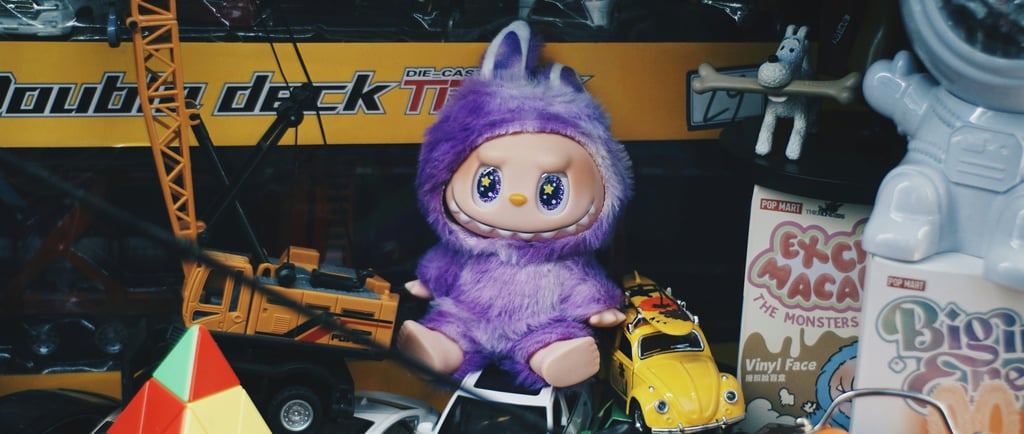

In 2025, one of the more striking shifts in the global retail landscape is the growing presence of Chinese consumer brands in the United States. At a time when domestic spending in China has softened and trade tensions persist, several of China’s most innovative retail companies are making strategic moves into the world’s largest consumer market. What once might have seemed counterintuitive is now unfolding as a deliberate strategy to capture new revenue, broaden brand influence, and find growth beyond domestic borders.
Why Expansion Matters Now
A confluence of factors is driving this trend. China’s internal consumer market has shown signs of slowing, leaving major brands with excess capacity and unmet growth ambitions. At the same time, the United States remains a high-margin, high potential destination for consumer goods, with a diverse population and strong purchasing power. Many Chinese companies now view the U.S. as a gateway to global legitimacy and long-term profitability.
For brands accustomed to fierce competition at home, the allure of capturing even modest market share abroad is significant. Some executives believe that by replicating successful domestic models in the U.S., they can achieve profit margins many times higher than in China due to higher average transaction values and stronger retail infrastructure.
Leading Names Making Moves
Several Chinese brands are already investing heavily in the U.S. retail market, each with a distinct strategy:
Pop Mart has become one of the most talked-about success stories. A pioneer of the “blind box” collectible trend, it entered the U.S. market in 2023 and by mid-2025 operated dozens of retail locations. CEO Wang Ning reported growth in North America exceeding ’1,000 percent’ over recent periods, a metric that reflects robust demand among younger, culturally engaged consumers for imaginative and affordable lifestyle products.
Miniso, the budget lifestyle retailer known for accessible fashion, accessories and novelty products, has seen expansive growth as well. Already a global player with thousands of stores worldwide, Miniso had more than 421 North American stores by late 2025. Its strategy focuses on broad geographic coverage and localized logistics to keep prices competitive while offering products that resonate with value-conscious U.S. shoppers.
Urban Revivo, often dubbed “China’s Zara” for its fast-fashion model, opened a flagship store in New York in early 2025. Positioned in one of the most competitive fashion capitals in the world, this move signals the brand’s ambition to build recognition and test its products with trend-driven American consumers.
What Makes This Strategy Work
Several key factors are helping these brands gain traction:
1. Price Accessibility and Value Perception
Many Chinese brands enter the U.S. with pricing that undercuts established competitors. For cost-conscious consumers, especially younger demographics interested in novelty or lifestyle trends, this value proposition can be very compelling. Analysts note that Western shoppers already accustomed to platforms like Shein and Temu are receptive to brands that combine affordability with style and innovation.
2. Cultural Adaptation and Localization
Success in the U.S. market hinges on more than just price. Retailers are tailoring offerings to local tastes, investing in experiential stores, and positioning products in ways that resonate culturally. Urban Revivo’s strategic location and curated fashion assortments are examples of adapting global retail thinking to a local context.
3. Scale and Speed
Several brands are leveraging growth strategies that prioritize rapid retail scaling. Pop Mart’s aggressive opening pace and Miniso’s expansive footprint illustrate how quickly Chinese retailers can build presence when momentum builds.
Challenges on the Path to Mainstream Success
Despite these opportunities, the expansion is not without hurdles. Brand awareness in the U.S. remains limited for many newcomers. Building long-term consumer trust and recognition requires sustained marketing investment and local brand storytelling that goes beyond price advantages.
Trade policy and tariffs add another layer of complexity. Chinese companies continue to navigate tariff environments and political sensitivity around imports, which can influence pricing strategy and supply chain planning.
What This Means for Retailers and Competitors
The increased presence of Chinese brands in the U.S. retail market is shifting competitive dynamics. Established Western brands are now contending with new entrants who combine global ambition with operational efficiency and an understanding of rapidly evolving consumer preferences.
Legacy brands must respond by sharpening their value propositions, investing in differentiated customer experiences, and analyzing where emerging competitors are most successful. For example, the success of collectible culture and novelty retail formats suggests that product ecosystem and emotional engagement can be as important as traditional brand heritage or price hierarchy.
Looking Ahead
As 2026 approaches, the expansion of Chinese consumer brands into the U.S. market will likely continue evolving. Early results suggest that cost competitiveness, ambitious retail rollout strategies and cultural adaptation are key ingredients for international success. At the same time, building enduring brand equity will require long-term investment in customer relationships and local identity.
For global retail leaders, this era of cross-border expansion underscores the reality that consumer preferences and competitive landscapes are shifting faster than ever. Brands that recognize these shifts and act with agility will be best positioned to thrive in a future where retail is truly global in scope.
Thank you for taking the time to read our articles throughout the year. We truly appreciate your interest and engagement.
Wishing you happy holidays and a successful, healthy, and inspiring 2026.
8 Summits
Copyright © 2026 8 Summits LLC. All Rights Reserved.
Contact
+1-479-326-2055
info@8summits.net