Flexible Payments as a Growth Engine
How Fintech Is Reshaping Retail
RETAIL TRENDS
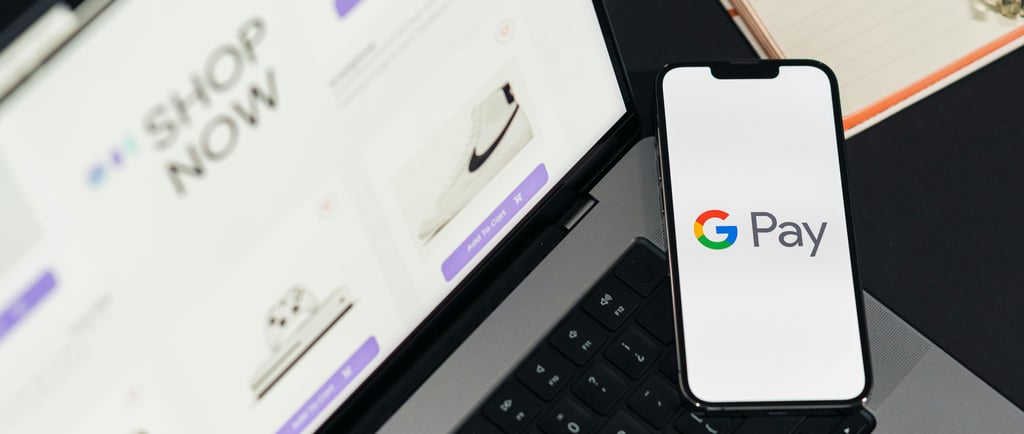
In 2026, flexible payment options are no longer a “nice to have” in retail. They are a core driver of conversion, average order value, and customer lifetime value. Buy Now Pay Later, digital wallets, and embedded financial services have moved from checkout add-ons to strategic levers that directly influence performance.
From big box retailers to niche e commerce brands, payment innovation is increasingly tied to revenue outcomes, not just customer convenience.
Why payments are a strategic priority this year
Consumer expectations around payments have shifted permanently. Shoppers now expect speed, flexibility, and transparency at checkout, regardless of channel. According to industry benchmarks cited by major payment providers, over 55 percent of online shoppers in North America used at least one alternative payment method in the past year, up from roughly 40 percent in 2023.
Retailers that fail to meet these expectations see measurable friction. Cart abandonment linked specifically to payment limitations remains one of the top three checkout issues, often accounting for 10 to 20 percent of lost transactions.
Buy Now Pay Later
Buy Now Pay Later continues to be the most visible fintech trend in retail. What has changed in 2026 is how retailers deploy it. Early BNPL adoption focused on boosting conversion for high ticket items. Today, retailers are using BNPL more selectively and more strategically to drive revenue.
Across fashion, consumer electronics, and specialty retail, common performance lifts include:
* Conversion rate increases of 15 to 30 percent when BNPL is shown early in the shopping journey, not only at checkout
* Average order value increases of 20 to 45 percent, particularly when installment pricing is displayed on product pages
* Lower cart abandonment among mobile shoppers, where payment friction is typically higher
Digital wallets and one click checkout
Digital wallets such as Apple Pay, Google Pay, and Shop Pay have become table stakes in 2026. Their value is less about novelty and more about speed and trust.
One click checkout reduces the cognitive load at the moment of purchase. Industry data consistently shows that wallet based checkouts convert 1.5 to 2 times better than traditional guest checkout flows on mobile devices.
The biggest gains that retailers are seeing include:
* Mobile conversion rates improve by 10 to 25 percent
* Checkout completion time drops by up to 50 percent
* Fraud rates are often lower due to built in authentication and tokenization
For omnichannel retailers, wallets also simplify in store experiences through tap to pay and unified customer profiles, helping bridge online and physical shopping behavior.
Embedded finance and retailer owned payment experiences
Beyond third party providers, some larger retailers are investing in embedded finance. This includes private label installment plans, co branded cards, and stored value wallets tied directly to loyalty programs.
The benefit is not just margin control, but data ownership. Retailers with proprietary payment programs gain deeper insight into purchasing frequency, repayment behavior, and lifetime value. This data is used to personalize offers, adjust credit limits, and target high value customers with exclusive incentives.
Risk management and responsible growth
One important shift this year is a more disciplined approach to risk. Regulators and consumers alike are paying closer attention to transparency and responsible lending.
Retailers are now evaluating fintech partners not only on approval rates, but also on:
* Decline logic and fraud prevention
* Clear disclosure of fees and repayment terms
* Customer support quality during payment disputes
Retailers that align payment options with their brand values are seeing stronger long term outcomes. Poorly implemented BNPL can erode trust just as quickly as it can boost conversion.
What this means for retailers in 2026
Payments are no longer a back end decision delegated solely to finance or IT teams. They are a front line revenue strategy that touches marketing, merchandising, and customer experience.
Retail leaders should be asking three questions this year:
1. Are our payment options aligned with how our customers want to buy today?
2. Are we measuring payment performance beyond approval rates, including AOV, conversion, and lifetime value?
3. Are we using payment data to inform broader personalization and loyalty strategies?
Those that answer these questions proactively will be better positioned to compete in an environment where the checkout experience is just as important as the product itself.
8 Summits
Copyright © 2026 8 Summits LLC. All Rights Reserved.
Contact
+1-479-326-2055
info@8summits.net