The Return Revolution: Why Retailers Are Rethinking "No Questions Asked"
How machine learning and rising costs are forcing a major shift in retail return policies
SUPPLY CHAIN

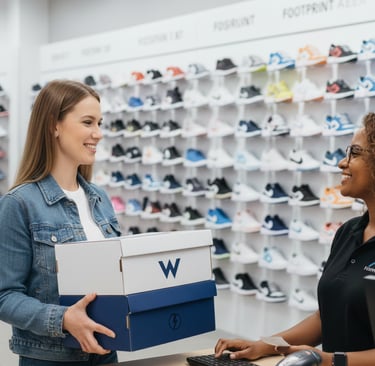
For years, generous return policies were a cornerstone of customer service, a silent promise that purchasing from a retailer carried little risk. "Buy it, try it, and if you don't love it, bring it back, no questions asked." This mantra helped fuel the e-commerce boom and encouraged impulse buys. But today, the retail industry is singing a different tune, one focused firmly on profitability. The era of the "generous" return is rapidly drawing to a close, replaced by data-driven strategies and stricter guidelines designed to protect increasingly thin margins.
The Cost of Convenience: A Burden on the Bottom Line
The reality is that returns are incredibly expensive. Beyond the obvious loss of revenue from the original sale, retailers face a cascade of hidden costs:
Reverse Logistics: The expense of shipping items back, sorting them, inspecting them, and restocking them. For larger items, this can be substantial.
Restocking Fees: While some retailers charge these, many absorb the cost, leading to direct financial hits.
Damaged Goods: A significant portion of returned items cannot be resold at full price, or sometimes not at all, due to damage, wear, or missing packaging.
Environmental Impact: The carbon footprint of reverse logistics is a growing concern, adding another layer of cost, albeit one that's harder to quantify financially.
Consider the numbers. In 2023, the National Retail Federation (NRF) reported that retailers lost an average of $14.50 for every $100 in returned merchandise. For online purchases, this figure was even higher due to shipping costs. When you factor in the sheer volume of returns, these percentages translate into billions of dollars in lost profit annually. For a retailer operating on a 5-7% net profit margin, a high return rate can quickly erase any profitability.
From Blanket Policies to Personalized Precision
So, what does this "Return Revolution" look like on the ground? Retailers are not simply saying "no" to returns. Instead, they are implementing intelligent, nuanced strategies:
1. Data-Driven Tiers: Major players are leveraging machine learning to segment customers. Your return policy might now be influenced by your purchase history. A loyal customer with a low return rate might still enjoy free, easy returns, while a customer with a history of frequent returns or "wardrobing" (buying items to wear once and return) could face stricter conditions, such as:
* Reduced Return Windows: From 90 days to 30 or even 14.
* Return Fees: A small fee for processing or restocking returns, especially for online orders.
* Store Credit Only: Instead of a full refund to the original payment method.
2. Enhanced Product Information: Prevention is always better than cure. Retailers are investing heavily in technologies that help customers make the right purchase the first time:
* AI-Powered Sizing Tools: Virtual try-on features and AI recommendations based on customer-provided measurements are reducing apparel returns related to fit. One shoe retailer reported a 20% decrease in size-related returns after integrating a 3D foot scanning app.
* Detailed Product Videos and 360-Degree Views: Giving customers a more comprehensive understanding of the product before it arrives.
* Augmented Reality (AR): Allowing customers to visualize how furniture or decor items would look in their homes, significantly cutting down on returns of bulky goods.
3. In-Store Return Incentives: To shift returns from costly mail-in processes to more efficient in-store transactions, retailers are offering incentives.
* Instant Refunds and Exchanges: Many stores now process refunds immediately for in-store returns, whereas mailed returns might take days.
* Exclusive Discounts: Some retailers offer a small discount or a coupon for a future purchase if a customer returns an item in-store rather than by mail. This also drives foot traffic, creating opportunities for additional sales.
The Future of Returns: A Balancing Act
The shift isn't about alienating customers; it's about fostering sustainable retail practices. The "no questions asked" policy, while customer-friendly, became financially untenable for many. By using data intelligently and offering clear, transparent policies, retailers can strike a better balance.
The goal is to differentiate between the loyal, valuable customer who occasionally needs to make a return and the serial returner who erodes profitability. This "Return Revolution" is not just about saving money; it's about creating a more efficient, profitable, and ultimately, more sustainable retail ecosystem for everyone involved.
8 Summits
Copyright © 2026 8 Summits LLC. All Rights Reserved.
Contact
+1-479-326-2055
info@8summits.net